Introduction
Kitchen design continually evolves as new materials and technologies emerge, offering homeowners increasingly sophisticated options for their spaces. Amongst the latest innovations gaining recognition is ceramic surfacing—a material that’s transforming expectations of what kitchen worktops can achieve. Combining cutting-edge manufacturing with natural materials, ceramic worktops deliver performance characteristics that surpass traditional options whilst offering breathtaking aesthetics that elevate any kitchen design. For those seeking the ultimate in durability and visual impact, this material represents the pinnacle of contemporary surface technology.
What Sets Ceramic Worktops Apart?
Ceramic worktops are created through an advanced process involving extreme heat and pressure applied to natural clays, minerals, and pigments. This results in ultra-compact surfaces that are fundamentally different from conventional ceramic tiles or porcelain. The manufacturing process produces slabs with remarkable density and virtually zero porosity, creating surfaces that resist practically everything a busy kitchen can throw at them.
The technology behind these surfaces represents years of materials science research, yielding products that push the boundaries of what’s possible in kitchen design. Unlike many traditional materials that compromise either aesthetics or performance, ceramic delivers both without reservation.
Exceptional Performance Characteristics
Unrivalled Heat Resistance
One of ceramic’s most impressive attributes is its extraordinary heat tolerance. These surfaces can withstand direct contact with hot pans, pots, and baking trays without damage, discolouration, or thermal shock. This capability stems from the extreme temperatures used during manufacturing—surfaces fired at over 1200°C don’t flinch at the comparatively modest heat from your cooker.
Scratch and Impact Resistance
Ceramic worktops rank amongst the hardest surfaces available for domestic use. Sharp knives, dropped utensils, and daily wear leave no mark on properly installed ceramic surfaces. This resilience means your worktop maintains its pristine appearance year after year, even in the most demanding family kitchens.
Complete Stain Immunity
The non-porous nature of ceramic makes staining virtually impossible. Wine, coffee, beetroot juice, turmeric—substances that permanently mark other materials—simply wipe away from ceramic without leaving a trace. This characteristic proves invaluable for households where cooking is a messy, creative affair rather than a sterile, overly cautious activity.
UV Stability
Unlike some worktop materials that fade or yellow when exposed to sunlight, ceramic remains completely stable under UV radiation. This makes it an excellent choice for kitchens with large windows or garden access where natural light floods the space throughout the day.
Design Possibilities and Aesthetics
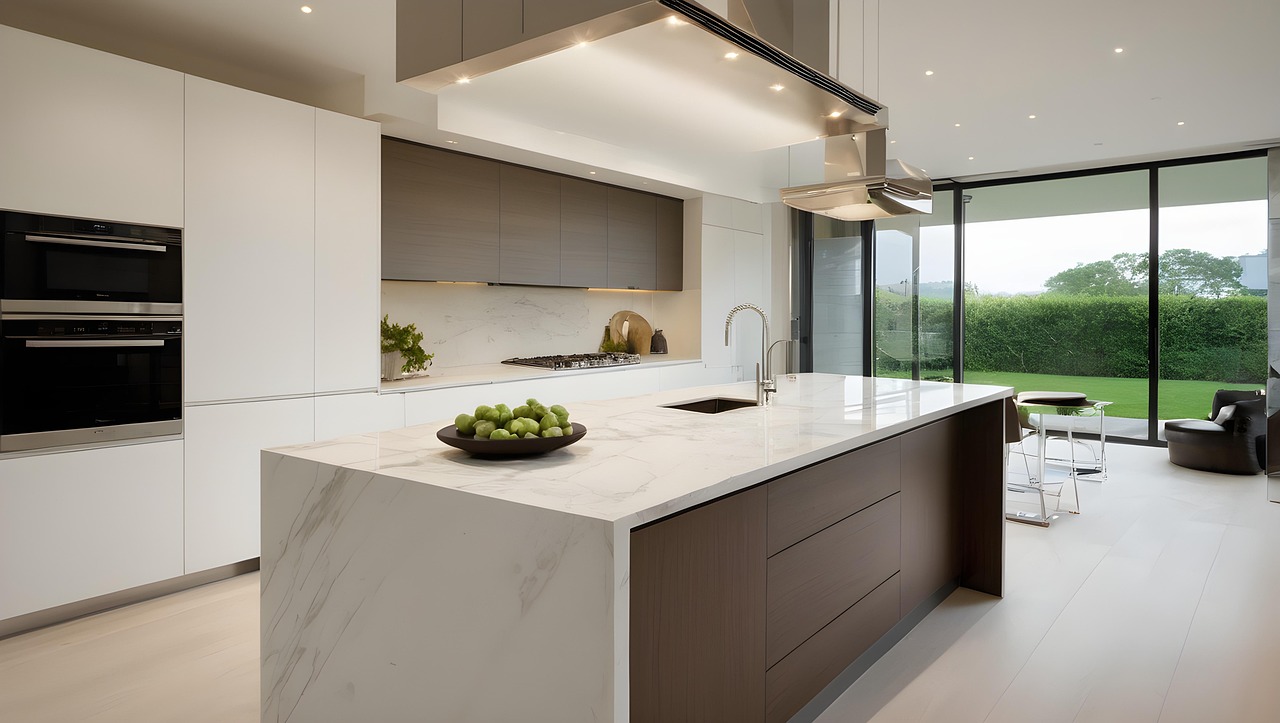
Modern ceramic manufacturing enables remarkable realism in mimicking natural materials. From marble and granite to wood and concrete, Ceramic Worktops can replicate almost any aesthetic whilst delivering superior performance. The printing and texturing processes create depth and variation that rivals—and often exceeds—the natural materials they emulate.
Large-format slabs minimise visible joins, creating flowing surfaces that enhance the sense of space and sophistication. Whether your design aesthetic leans towards minimalist contemporary, rustic farmhouse, or classic elegance, ceramic offers patterns and finishes that complement your vision perfectly.
Practical Advantages for Daily Living
Effortless Maintenance
Ceramic’s non-porous surface requires nothing more than regular wiping with standard household cleaners. There’s no sealing, no special products, and no periodic professional maintenance required. For time-poor households, this simplicity represents genuine freedom from constant worktop upkeep.
Hygienic Food Preparation
The completely sealed surface provides no harbour for bacteria, moulds, or viruses. Combined with resistance to common cleaning chemicals, ceramic worktops offer reassurance for families who prioritise food safety and kitchen hygiene.
Long-Term Value
Whilst ceramic represents a premium investment initially, its exceptional durability and timeless appearance ensure decades of service without replacement. When calculated over the worktop’s lifespan, the cost per year becomes remarkably competitive with materials requiring more frequent replacement.
Environmental Credentials
Ceramic worktops consist primarily of natural materials subjected to heat and pressure—no toxic resins or harmful chemicals are involved in the manufacturing process. The longevity of these surfaces also contributes to sustainability by reducing the frequency of replacement and associated environmental impacts.
Installation Considerations
Professional installation proves essential for ceramic worktops. The material’s hardness, whilst beneficial for daily use, requires specialised cutting tools and expertise. Precise measurements and careful handling ensure perfect results that showcase the material’s inherent beauty whilst guaranteeing structural integrity.
FAQ Section
How does ceramic compare to quartz or granite?
Ceramic surpasses both in heat resistance, scratch resistance, and UV stability. It requires no sealing unlike granite and tolerates direct heat better than quartz. The primary trade-off is higher initial cost and the need for expert installation.
Can ceramic worktops crack or chip?
Whilst ceramic is exceptionally hard, it can chip if subjected to extreme impact on edges or corners. Professional installation with proper support and high-quality edge finishing minimises this risk significantly. Normal kitchen use poses no threat to properly installed surfaces.
Are ceramic worktops suitable for outdoor kitchens?
Absolutely. Ceramic’s UV stability, weather resistance, and temperature tolerance make it ideal for outdoor applications where other materials might deteriorate or discolour over time.
How thick are ceramic worktops?
Most ceramic worktops measure between 6mm and 12mm in thickness. Despite being thinner than traditional stone, their engineered structure provides equivalent or superior strength. Thinner profiles also create sleek, contemporary aesthetics many designers prefer.
Do ceramic worktops require special cleaning products?
No specialised products are necessary. Standard household cleaners work perfectly well. The surface resists even aggressive cleaning chemicals, though such products are rarely needed given how easily everyday grime wipes away.
Conclusion
Ceramic worktops represent the cutting edge of kitchen surface technology, delivering performance capabilities that exceed traditional materials whilst offering stunning visual appeal. For homeowners who view their kitchen as a long-term investment deserving premium materials, ceramic provides unmatched durability, virtually maintenance-free ownership, and timeless aesthetics that enhance property value. Whilst the initial investment reflects the material’s advanced nature, the decades of flawless service and enduring beauty make ceramic an intelligent choice for those who refuse to compromise on quality in the heart of their home.